
Intersection Collision Evidence: Signals, Turns and What Witnesses Saw

Updated October 17, 2026. When drivers disagree about an intersection collision, “the light was green” may not answer the whole question. The relevant movement, signal phase and timing of each person entering the intersection all matter. A useful account separates those details instead of choosing a conclusion first. This article replaces unverified April 2026 crash […]
Your First California Injury Claim: From Initial Notice to Resolution
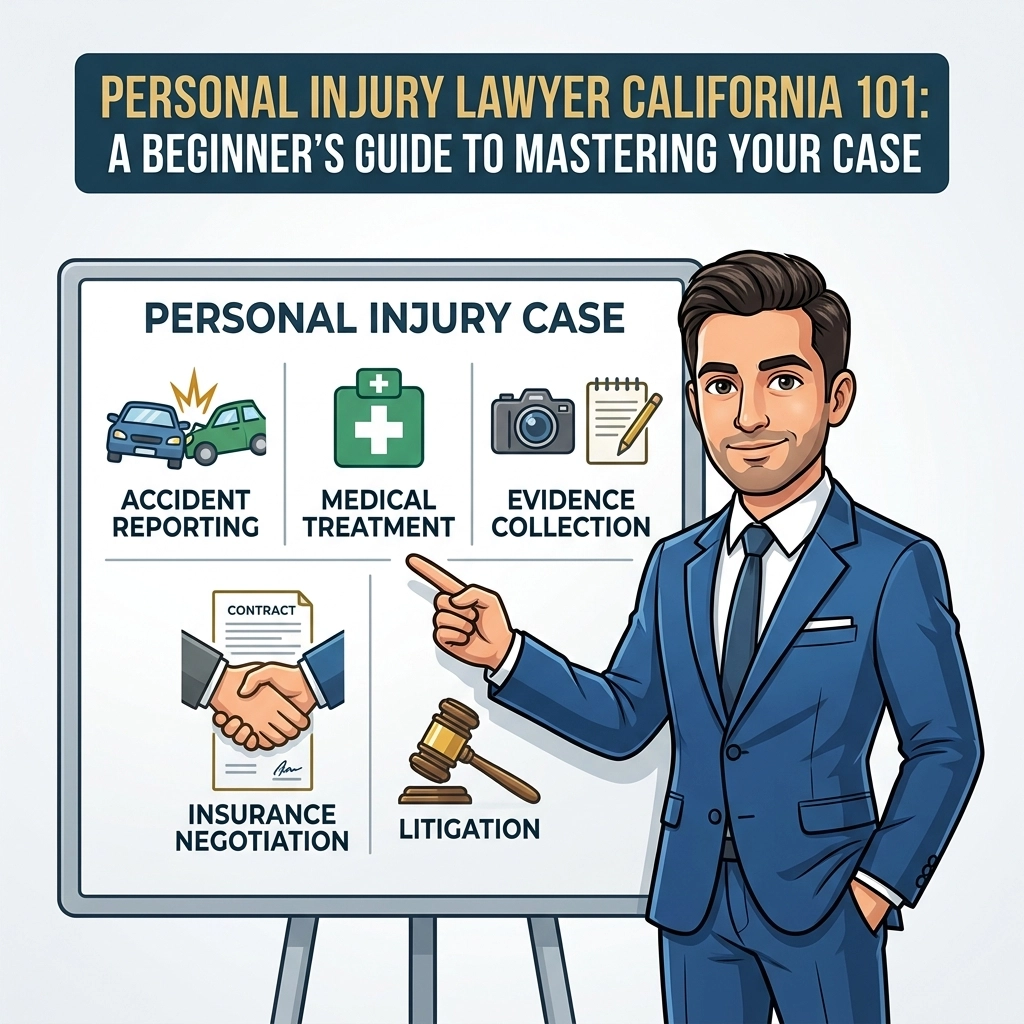
Updated October 17, 2026. Your first injury claim can involve several unfamiliar processes at once: medical care, insurance paperwork, a damaged vehicle and time away from work. Opening a claim starts an investigation; it does not establish fault, a settlement amount or a court filing. Illustrative image, not documentation of a particular event or case. […]
Truck Crash Records: What an ELD Can—and Cannot—Show
Updated October 17, 2026. After a truck collision, the phrase “black box” can conceal several different sources of evidence. An electronic logging device is not automatically a second-by-second crash recorder. Knowing the difference helps you request useful records without promising information that may not exist. The previous article described an April 26, 2026 Bakersfield I-5 […]
California Injury Law Updates: Check the Rule, Date and Type of Claim
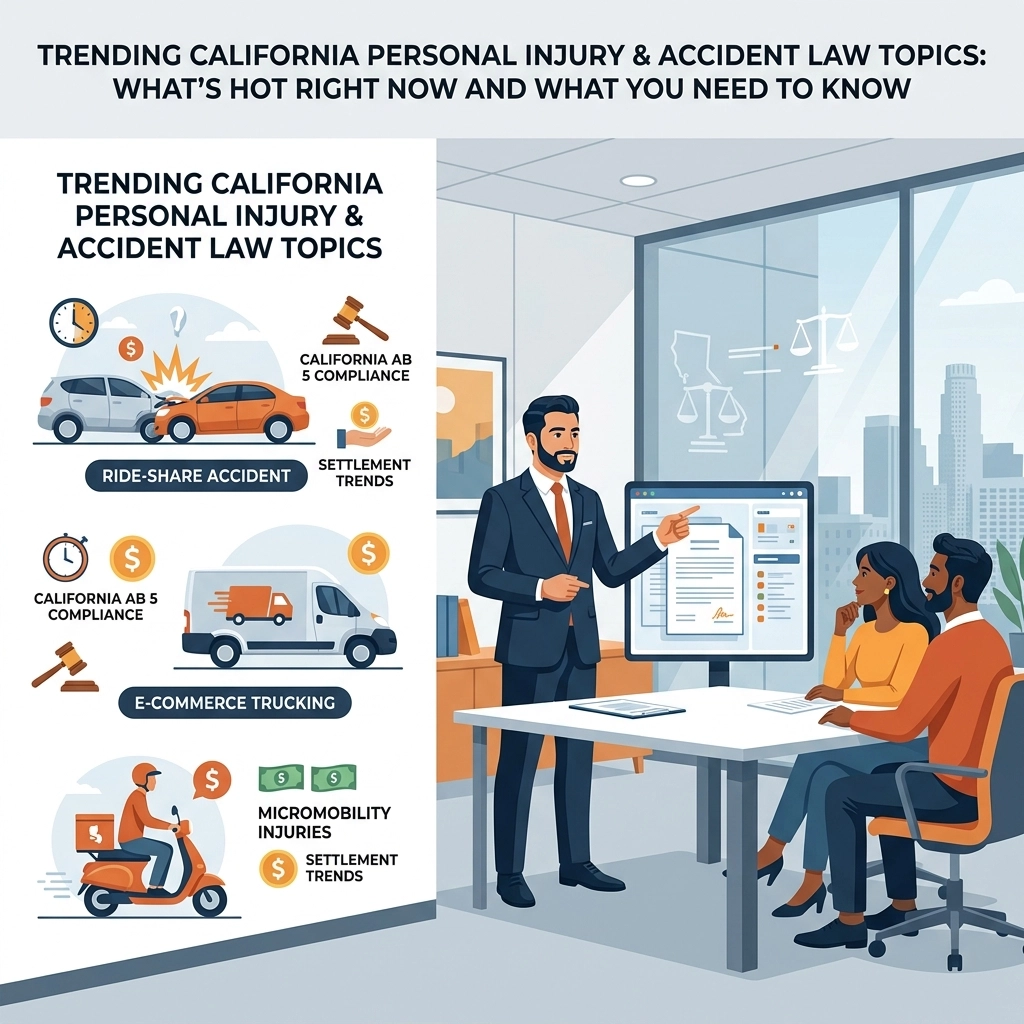
Updated October 17, 2026. A headline about a new California law does not establish the rule for your accident. Check what changed, when the change applies and which claim it governs. Those questions matter more than whether a topic is trending. This guide replaces the earlier article’s broad claims about hundreds of updates, guaranteed recoveries […]
Roadway Debris Collisions: Identify the Object, Source and Impact Sequence
Updated October 16, 2026. Roadway debris can create an immediate hazard, but identifying an object does not establish who put it there or caused a later collision. Separate the object, its possible source and the sequence of vehicle movements. Each may require different evidence. The earlier article described an April 25–26, 2026 I-5/Stadium Way pileup […]
Disputing a Total-Loss Valuation: Check the Vehicle Details and Comparables
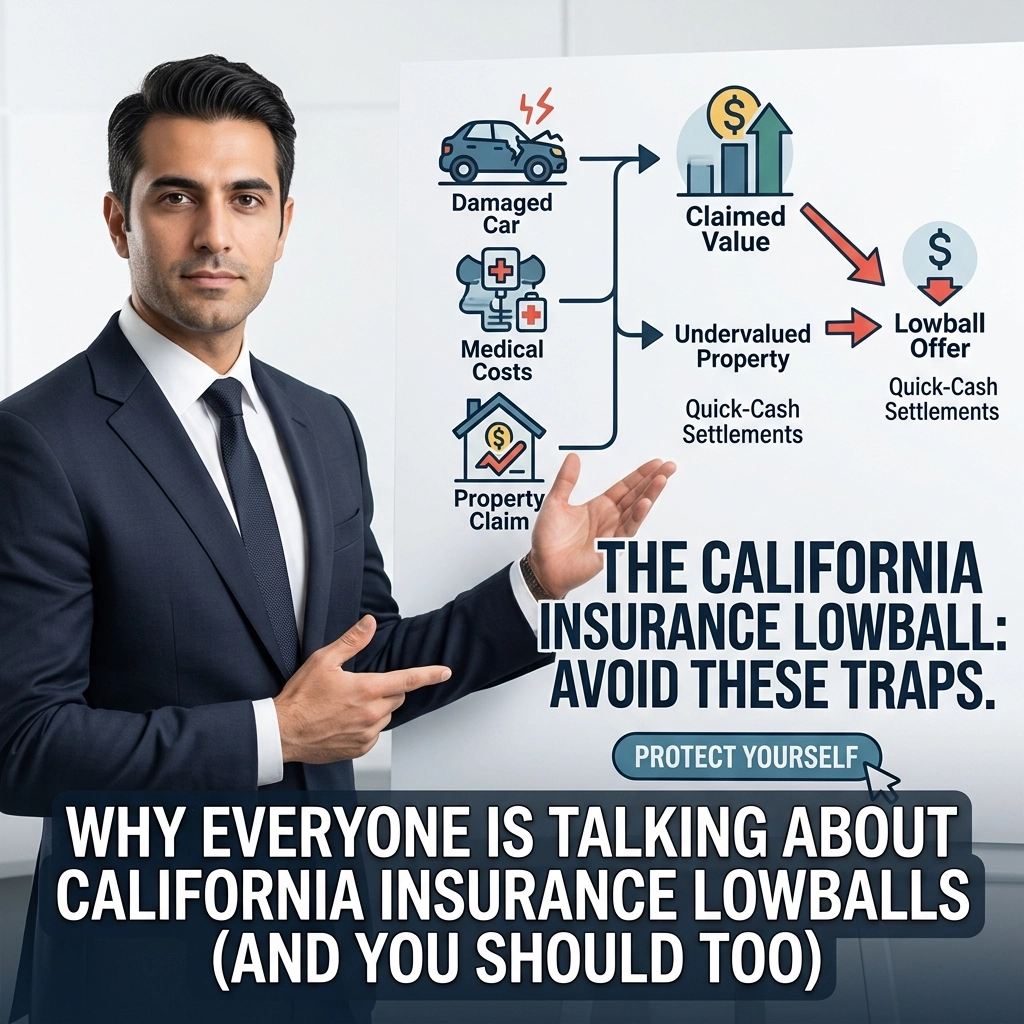
Updated October 16, 2026. If a total-loss offer seems wrong, start with the valuation’s inputs and explanation. Identify the specific discrepancy and support it with records. Disagreement with an amount does not by itself prove fraud or bad faith. Request the valuation basis Keep the complete report, offer and related correspondence. Identify the vehicle, loss […]
Residential Backover Collisions: Investigate Visibility, Movement and Property Conditions
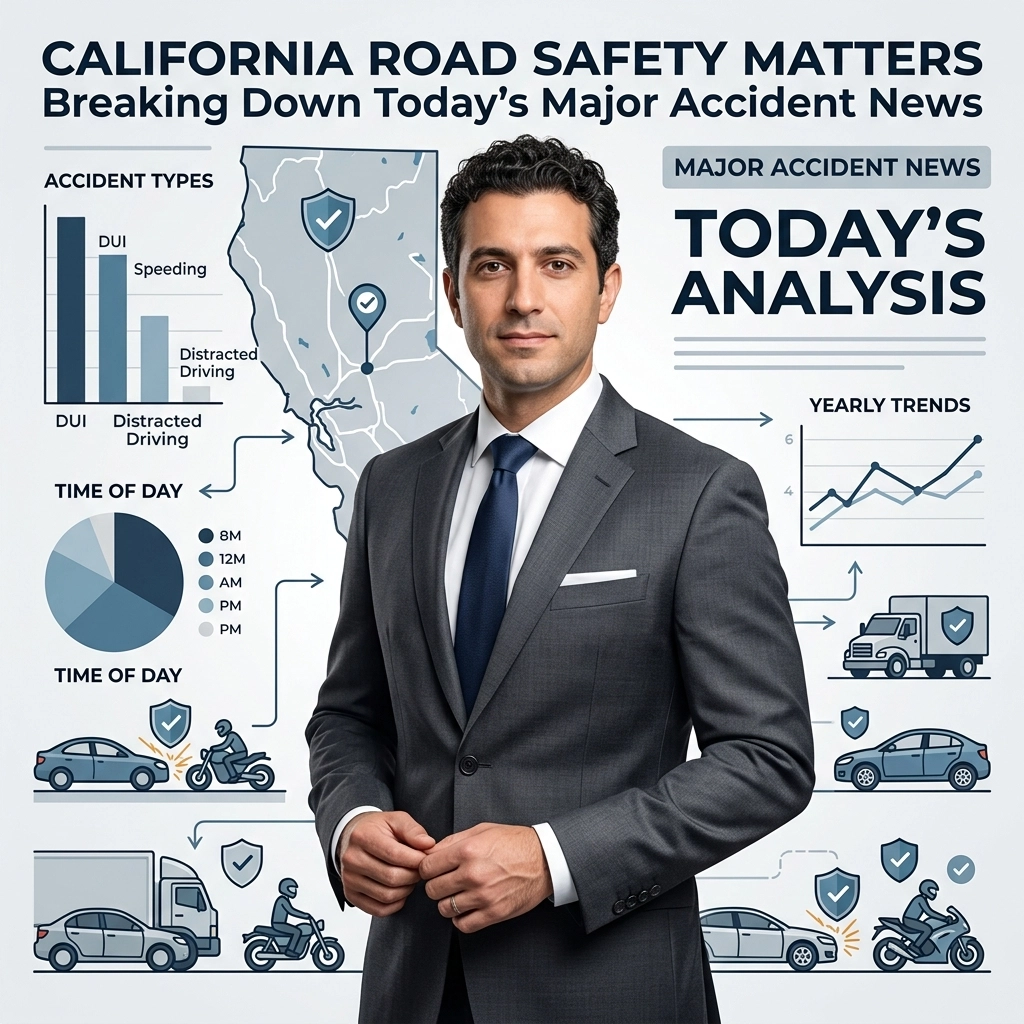
Updated October 16, 2026. A collision in an apartment driveway or parking area needs a careful account of movement and visibility. Investigate what the driver could see, where people were located and what the vehicle was doing. The occurrence of a tragic event does not by itself identify every responsible party. The earlier article described […]
Medical Authorizations in an Injury Claim: Read the Scope Before Signing
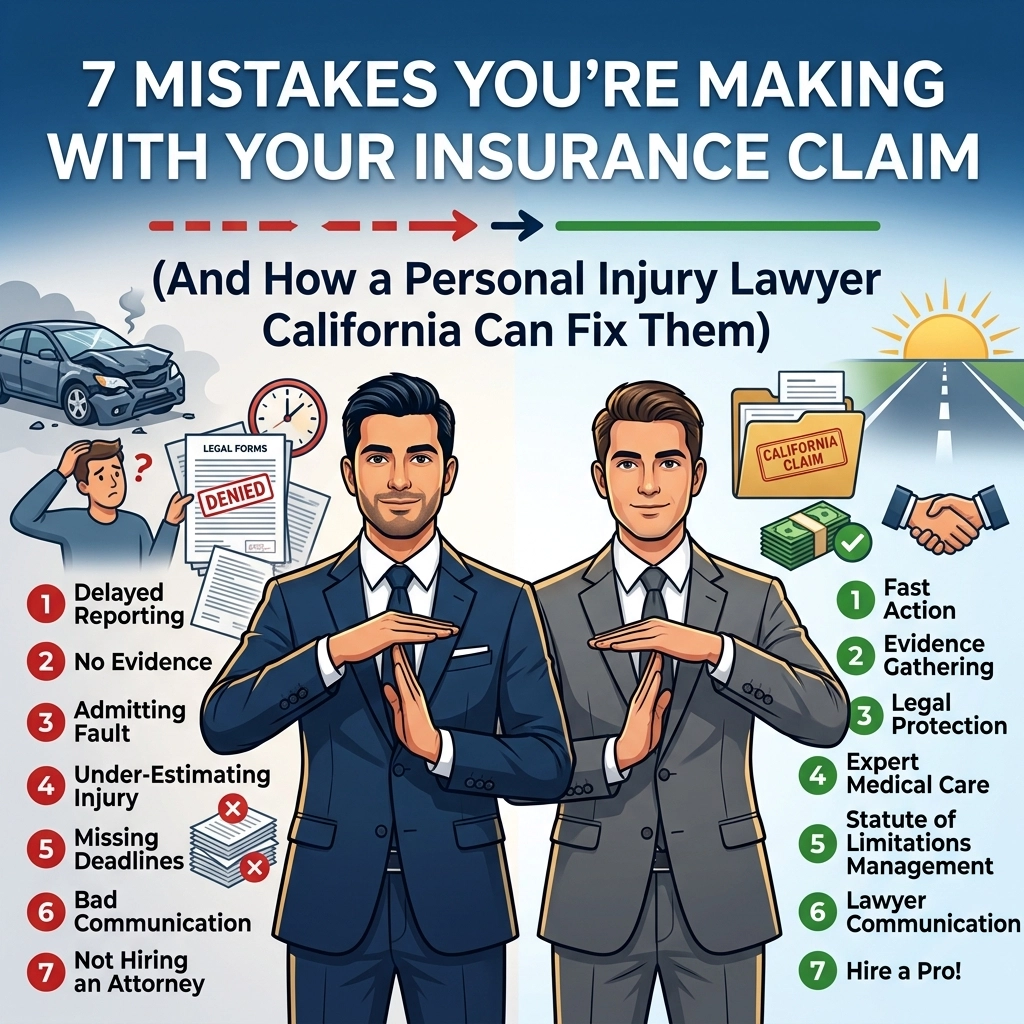
Updated October 16, 2026. A medical authorization permits a defined disclosure; it should not be treated as an unread formality or automatically as misconduct. Read who may disclose what information, to whom and for what purpose. Keep the full request and ask about unclear language. Identify the document and recipient Confirm whether the request comes […]
Vehicle Storage After a Crash: Control Costs While Preserving Evidence
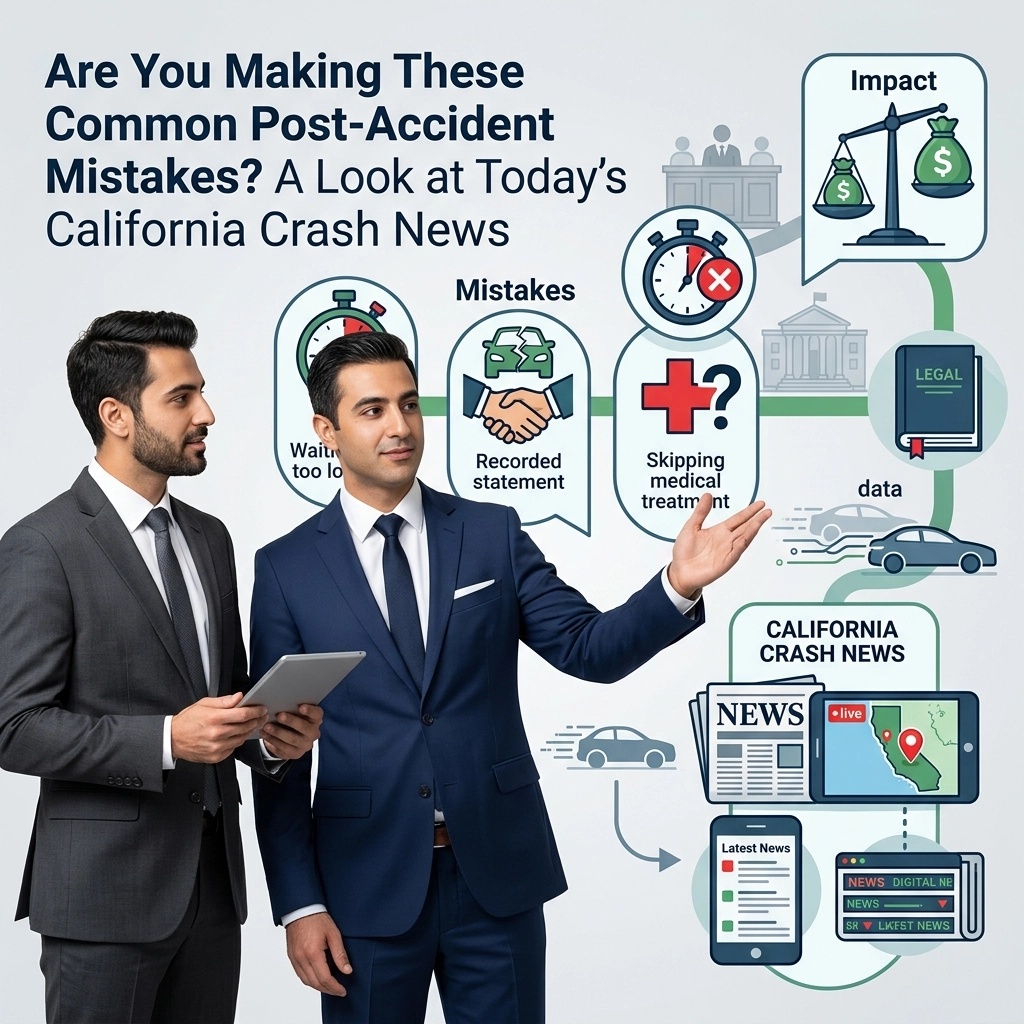
Updated October 16, 2026. After a serious collision, a vehicle can be both damaged property and important evidence. Address storage costs and preservation together rather than assuming one solves the other. Opening an insurance claim does not automatically arrange every inspection or stop every charge. The earlier version described an undated Los Banos I-5 collision […]
California SR-1 Reporting: Separate DMV Duties From an Insurance Claim

Updated October 16, 2026. A police report and an insurance claim do not necessarily satisfy a separate DMV reporting duty. Check the SR-1 requirement directly and keep proof of what was filed. These processes serve different purposes. Use the DMV’s current instructions The California DMV accident-reporting page states that an SR-1 is required within 10 […]