
An Uber or Lyft Insurance Claim Is Not the Same as a Lawsuit

Updated October 16, 2026. Reporting a rideshare collision to an insurer is not the same as filing a lawsuit. A claim asks for insurance handling; a lawsuit starts a court proceeding against identified defendants. Neither automatically guarantees payment or resolves who is responsible. Identify the insurance claim Keep the company, claim number, applicable policy information […]
Rural Pedestrian Collisions: Investigate Sight Lines Without Guessing Speed
Updated October 16, 2026. A rural pedestrian collision needs a precise account of the road and movements. Vehicle size and a dramatic description do not establish speed, attention or fault. Preserve the evidence of what each person could see and where they were traveling. The earlier article described an April 14, 2026 Avenue 408/Road 92 […]
California Rideshare Claims in 2026: Separate Enacted Rules From Proposals
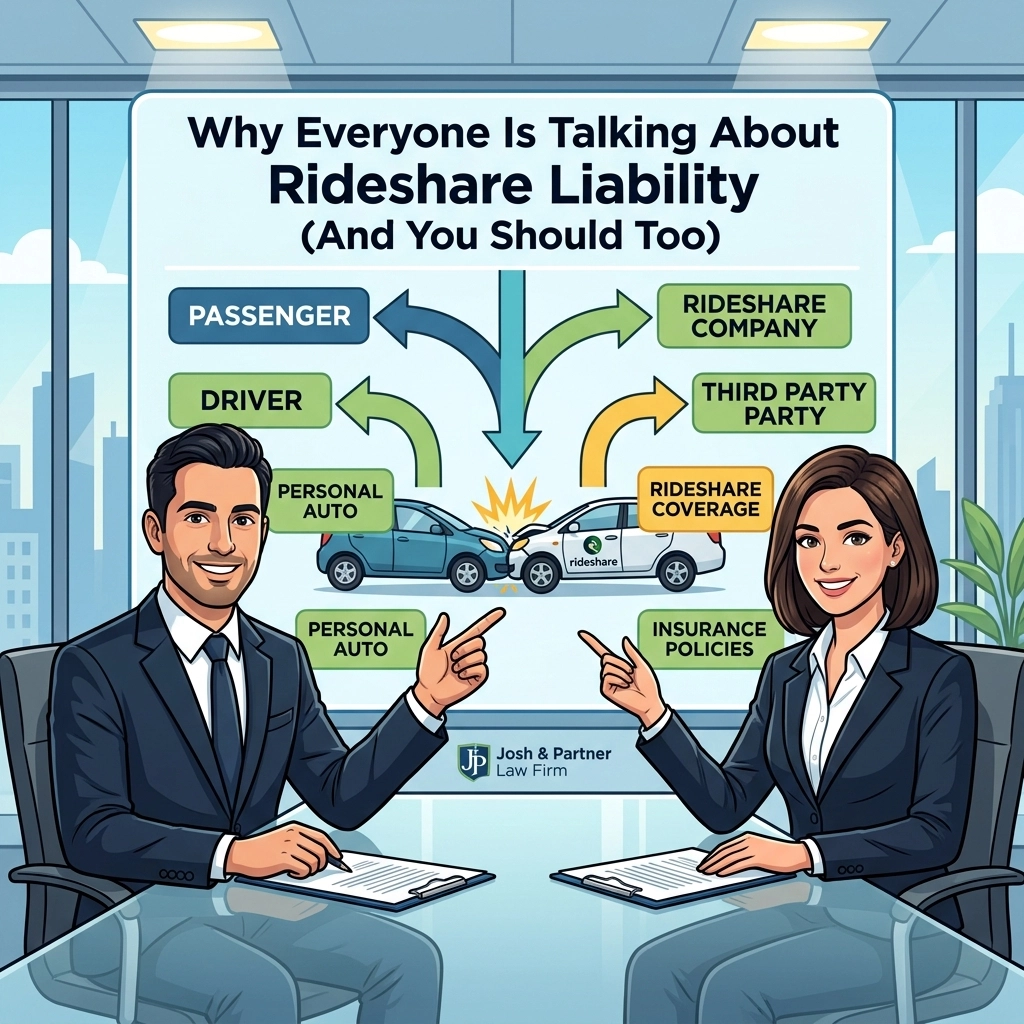
Updated October 16, 2026. A proposed ballot measure, an enacted statute and an insurance policy are not the same thing. Identify the legal source and effective date before describing a change in passenger rights. Headlines can blur those distinctions. Check whether the rule is actually in effect Look for the enacted text, effective date and […]
Truck Tire Failures: Preserve the Tire Before Assuming the Cause

Updated October 16, 2026. A damaged tire after a collision does not establish whether it failed before impact or was damaged during it. Preserve the tire and investigate the sequence before naming a cause. Driver conduct, maintenance, loading and product condition can raise different questions. The earlier version described an April 12, 2026 Grapevine pileup […]
Rideshare Safety Data and Your Crash File: Different Records, Different Uses

Updated October 16, 2026. A public rideshare safety report and the records of your own trip answer different questions. Aggregate reporting can describe a dataset; it cannot by itself prove how your collision happened. Keep the scope and source clear when investigating an Uber or Lyft incident. Understand what public reports contain The CPUC TNC […]
Before an Accident Consultation: Five Questions That Help Identify Urgent Issues

Updated October 16, 2026. You do not need a perfect file before asking about an accident. Identify urgent decisions first, then explain what you know and what is missing. A focused initial conversation is more useful than trying to estimate a settlement from a headline. The previous article described an April 11, 2026 I-5 crash […]
Post-Crash Communications: Keep a Clear Log Without Guessing or Concealing

Updated October 16, 2026. After a collision, several people may contact you about different issues. A clear communication log helps identify who requested what and what remains unanswered. It is more useful than assuming every call is a trap or every caller handles the entire claim. Identify the caller and purpose Record the name, organization, […]
CA-4 Chain Collisions: Build an Impact Sequence Before a Fault Theory

Updated October 16, 2026. A chain collision may contain several separate impacts. Establish the sequence before treating the event as one undifferentiated crash. The first contact, later contacts and final resting positions may tell different parts of the story. The earlier version described an undated CA-4/Bailey Road collision, critical injuries and suspected causes without adequate […]
Dashcam Footage After a Crash: Preserve Originals and Understand Its Limits

Updated October 16, 2026. A dashcam can provide valuable evidence, but it does not “never lie” or automatically decide fault. Preserve the complete original and understand what the camera could—and could not—record. Lens position, exposure, missing audio and clock settings can affect interpretation. Protect the recording from routine overwrite Once safe, follow the manufacturer’s instructions […]
Work-Zone Collision Claims: Separate Traffic Control, Vehicle Conduct and Injury Evidence

Updated October 16, 2026. A work-zone collision can involve changing lanes, queues and temporary traffic controls. Identify the layout and each vehicle’s movement before assigning responsibility. The presence of construction does not alone establish contractor or government liability. The earlier article described an April 9, 2026 I-5 collision and labeled its purported news link “simulated.” […]